Showing posts with label Tombouctou. Show all posts

Wednesday, September 27, 2017

Between Books aka Wallowing in Author Limbo

Latest novel published - sigh of relief.
Holiday in Mexico - brain reduced to mush in the heat.
Back home - routines restored.
Time to think of starting a new book, ie procrastinate.
And procrastination leads to sorting through old photos which leads to this blog.
Much of Whispers Under the Baobab is set in West Africa in 1970, and among my pictures I found a few I had taken back then that will give you a glimpse of what Flo saw and experienced as she fled across the Sahara to safety in Bamako.  Between Books aka Wallowing in Author Limbo                                                                    Click here for more information.
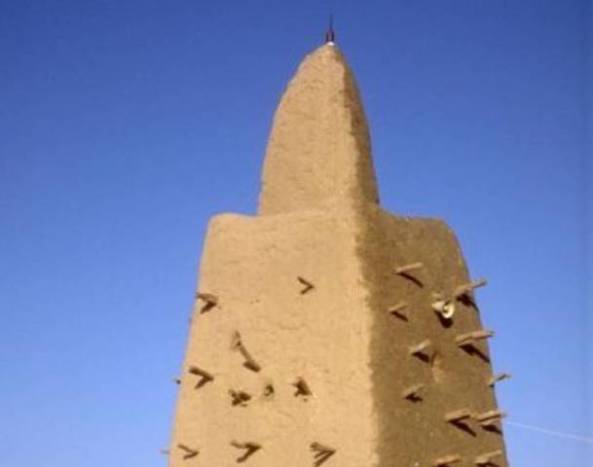
Here is the only picture I still have of the 14th century mosque in Tombouctou, destroyed by Islamists in 2012.
Between Books aka Wallowing in Author Limbo
From Tombouctou, Flo and Josef traveled by boat - the General SumarĂ© - down the Niger River. Flo was on the second level and was able to go up on the top deck to view the surroundings. Josef, on the main deck would not have had that luxury.
Between Books aka Wallowing in Author Limbo
When the General SumarĂ© beached on a sand bar, the women and children were taken to shore in these pirogues. They are propelled by pushing poles into the river bed and walking along the side of the boat. Back in 1970, goods were transported hundreds of kilometers from Guinea to Mali in these (heavily loaded) pirogues powered by man.
Between Books aka Wallowing in Author Limbo
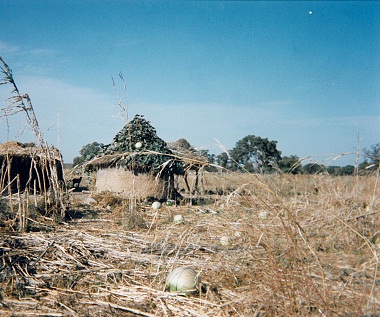
Nearing Bamako, this is what the terrain looked like with calabashes growing in the fields.
Between Books aka Wallowing in Author Limbo
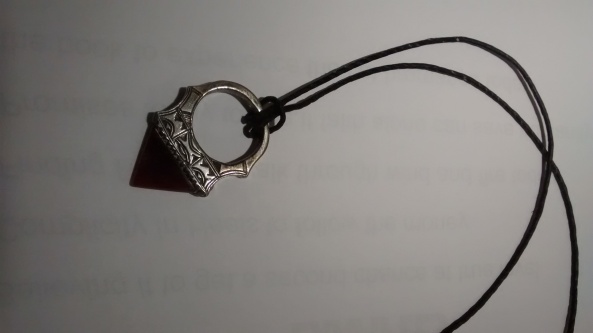
The Tuareg ring that Flo bought on her journey and wore on a leather thong.
Between Books aka Wallowing in Author Limbo

www.darlenejonesauthor.com

Friday, November 21, 2014

Picture taking - virtue or vice


Writers create worlds with their words.  And if the writer is a master at his or her craft the words allow the reader to “see” a vivid picture of the scene, understand the characters, and thrill with the action. For many readers, creating their own images and impressions from word pictures is what makes reading superior to visual media.  

Yet, as I type this, the saying, “a picture is worth a thousand words” reverberates in my head.

How do I feel about picture taking?

Very guilty:
Many years ago, I sat on the upper deck of the General Soumare plying its way up the Niger River to Tombouctou. We docked at Goundam and watched, fascinated by the desert life on shore. Without moving from my chair, I reached down into my purse for my little camera. I had it partially out of my purse when someone in the circle of Touraug women spotted it. They began to rise and depart. I dropped my camera back into my purse and they settled into their circle again.

Guilty and angry:
I time travelled to the Dogon area of Mali. I use the words “time travel” deliberately as we were among people surviving in Stone Age conditions. What they lived on was hard to fathom. Of course I wanted pictures. I raised my camera to capture a mother and her child. The moment she saw my camera, she picked up her child and posed, then held her hand out for money. I put my camera away. It wasn’t surprising that she would want money—any little bit would help the villagers to survive, but I was angry too, furious that careless camera toting tourists had created this situation. There are many better ways to support the poor.

Angry and insulted:
At one time we lived in a unique river-side community in our city. Cyclists on the trails careened to a stop to talk about our houses. Cars drove by slowly, passengers gawking out their windows. Invariably, cameras appeared—the tourists ready to take pictures of the quaint locals infuriated me. Is that how others felt when I wielded my camera?

Guilty again:
I take pictures for my blog—many of them in Mexico. They’re not very good photos, because I feel that I’m intrusive of people’s lives and homes so I snap quickly and hide the camera. I don’t believe I have a right to invade their lives in this way.

Regretful:
Of course I come home with regrets for the photos not taken.  I would dearly love that picture of the man on the horse waiting at the red light alongside my car or the man walking his cow across the main street of town.


Pictures are important, providing glimpses into the past, evidence of crimes, sights to marvel at, an opportunity to travel from your armchair, but at what cost to the subjects of those pictures?